When I asked Matthew what his favorite part of his trip to SRAC was, he said. "I loved EVERYTHING!"
 From left to right: Aaron Smith, Matthew Rilloraza, Brice Mashas, and SRAC's Ted Keir.From left to right: Aaron Smith, Matthew Rilloraza, Brice Mashas, and SRAC's Ted Keir.
 As many of you might recall, last week we hosted the 4th grade of Waverly's Lincoln Street School for a field trip which took the kids on a journey through our prehistoric past that we hope that they will share with their own kids someday. During the field trip the group was broken into three subgroups in order to rotate through three stations to include Ted Keir - "Hunting the Woolly Mammoth in Our Region," Dick Cowles "Early American Trade in Our Region," which included a birch bark canoe, trade axes and beads, and animal furs, and Jack Andrus, "Native American Children's Stories" to include one about a bear hiding a star in an apple which is always a favorite!


 SRAC is a nonprofit organization and is staffed 100% by volunteers. I am very proud of all of the things we are doing for our community and I hope that you share this posting with others who might want to know more about us! You can do so by simply clicking the following link:
 Yesterday was another one of those days at SRAC where you walk away inspired.
 I want to thank D.R. reporter Brian Bishop for making it to SRAC during a hectic election day!
WAVERLY, N.Y. - Fourth-grade students from Waverly's Lincoln Street Elementary School had a chance Tuesday to get up close and personal with their history lessons.
The students took a field trip to the Susquehanna River Archaeology Center (SRAC) Museum in Waverly, the second time the school's fourth graders have visited the museum in as many years. The students heard from Dick Cowles on early European contact with Native Americans in the region; from Ted Keir on hunting the Woolly Mammoth 12-15 thousand years ago; and Jack Andrus told the students some Native American children's stories.
Robin Blauvelt, a fourth grade teacher at Lincoln Street, said the SRAC's exhibits go really well with the New York State fourth grade curriculum. It helps the students to grasp the material when they can have hands-on experience with Native American artifacts, she said, instead of just reading from a textbook. The SRAC has on exhibit many artifacts which were found locally,  she said, which helps the students connect what they learn in school to their own area.
Deb Twigg, executive director of SRAC, said that after the students leave the museum, they will complete a special project on Native Americans, such as building a model longhouse. The projects the students complete will then be put on display at SRAC, with SRAC visitors voting on their favorites. The top five selected from that voting will be put on exhibit in the museum for a year, she said.
Brian Bishop can be reached at (570) 888-9652; or e-mail: bbishop@thedailyreview.com.
To read the article on the Daily Review site click here:


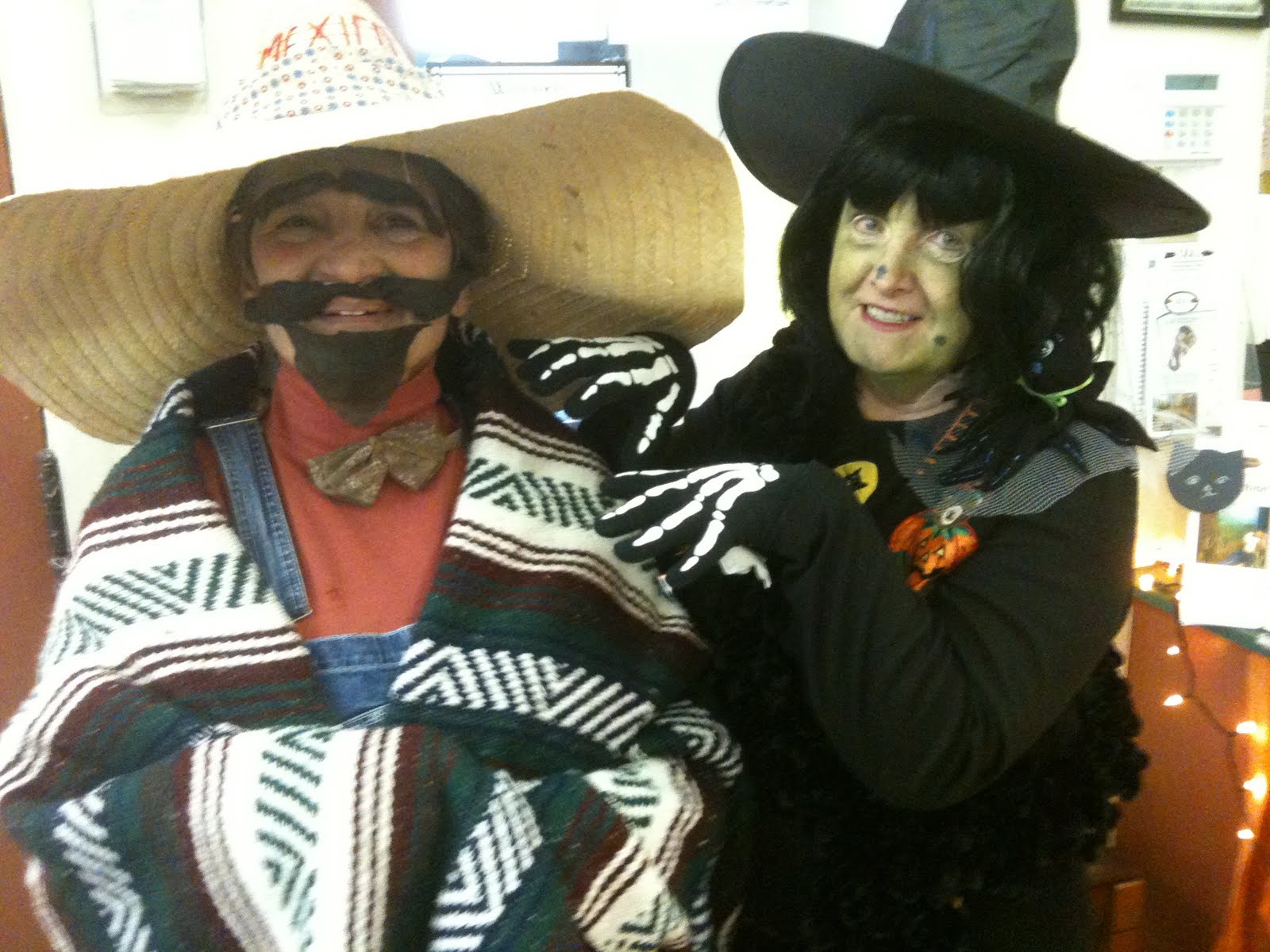
 Once attendees unloaded from the hayride and entered SRAC, they were were offered refreshments that included pizza, donuts, cupcakes and cookies, and apple cider that were all donated for the occasion. Games throughout the night included a pumpkin coloring contest, "pin the tusk on the mammoth," a concentration game, and a "find the cats" game. The night concluded with a costume contest for both adults and children. Every child won at least one prize as well as received a trick or treat bag filled with candy and great prizes.
 SRAC's Deb Twigg said, "This event was one of those that are a running theme at SRAC, where we host a free community event and are assisted by other Valley businesses and organizations who help us make it a success. Parrish Deli, Stroehman's Just Desserts, and Tops really stepped up and we really appreciate it. I also want to thank the VFW for making a hundred dollar donation towards the event as well. Last but not least I want to thank all of the SRAC volunteers that worked so hard all week setting up and at the event. By working together, we all gave a lot of families who attended a night to remember!"